Something new on your wall.
An owl in your kitchen. A Van Gogh the next morning. When frames ship, you can wake to a different print in the same frame, on the same wall.
Reserve · $50 depositFirst frames are being built · reserve your place · museum mode free forever
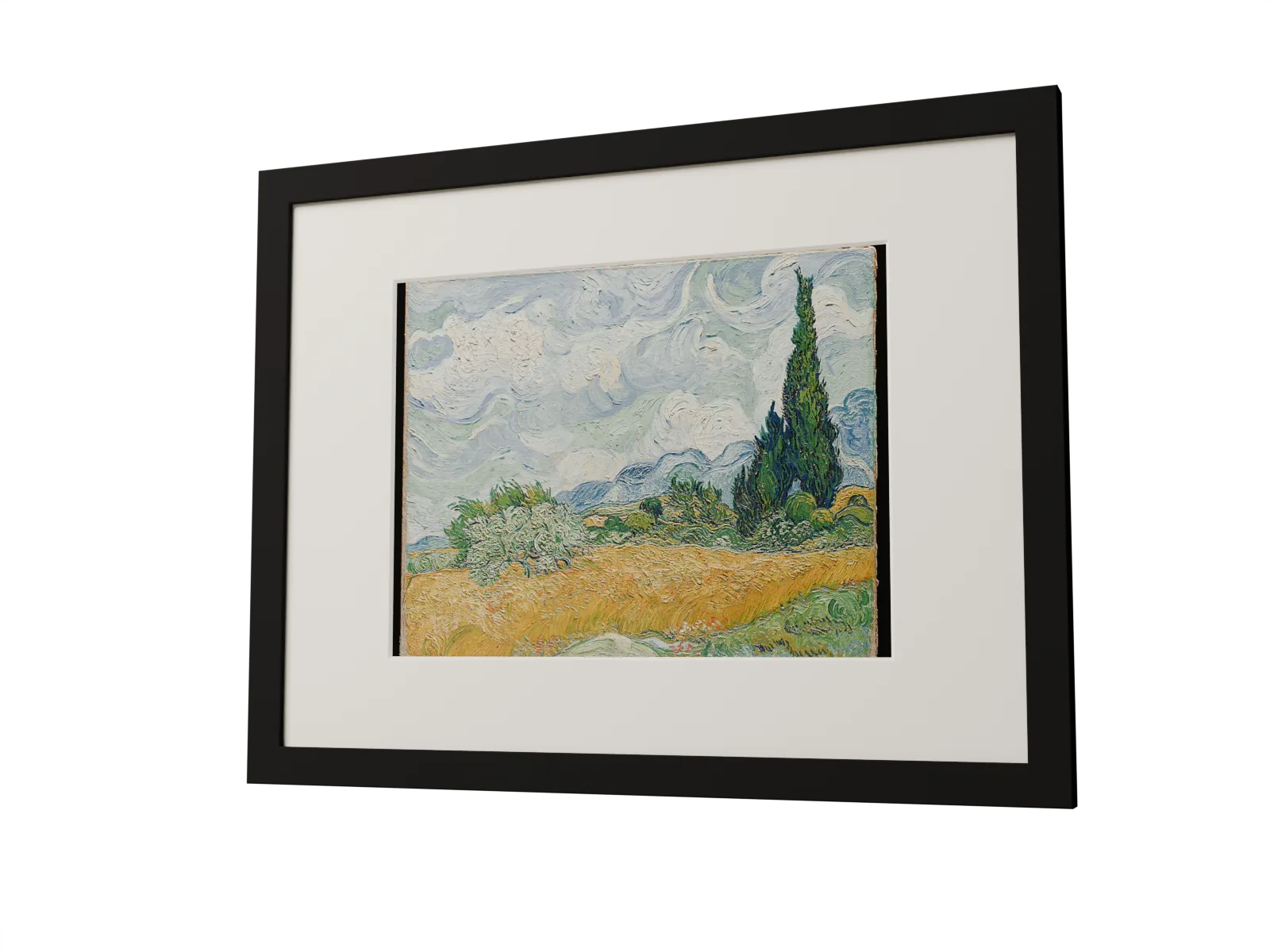
The frame, rendered from its measured parts: a 13.3-inch six-ink panel behind a cut mat
Three mornings. The same wall.


Rendered from the frame's measured parts.
The light in your room
Your room lights it. No backlight.
A screen glows on its own. This frame keeps its picture with the power off and never lights the room.
This morning
What will catch your eye?
A moth. An orchid. A patch of sky. Museum works and our own nature prints, drawn one plate at a time. You can wake to either.
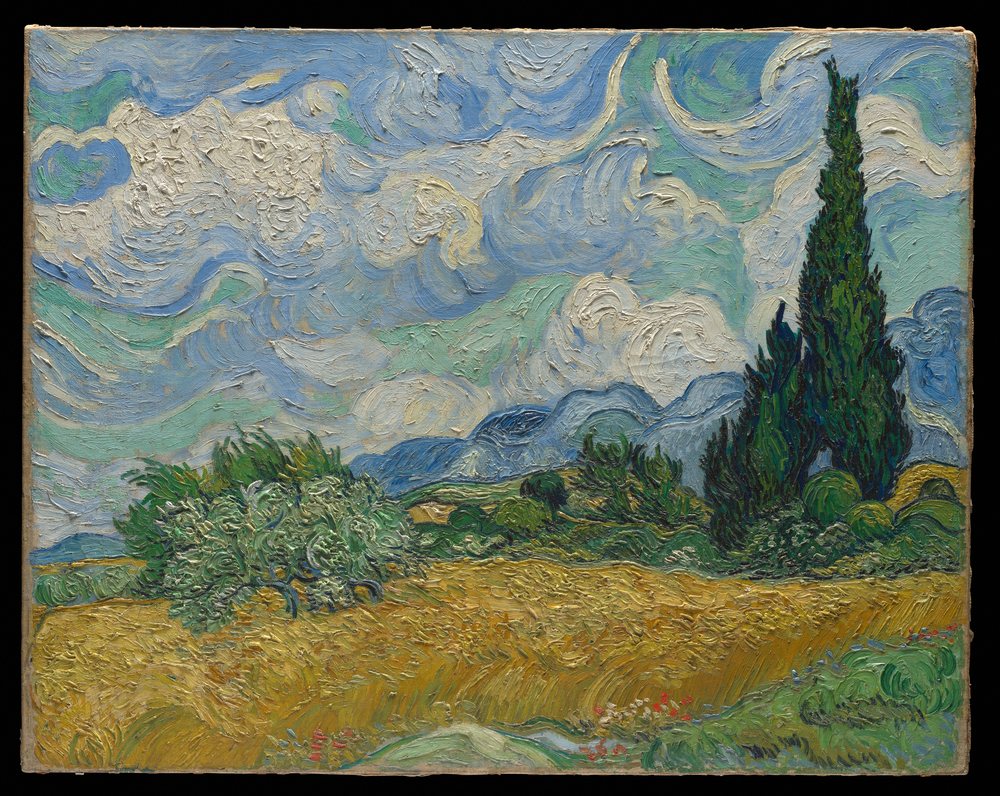
Wheat Field with Cypresses
Vincent van Gogh · 1889
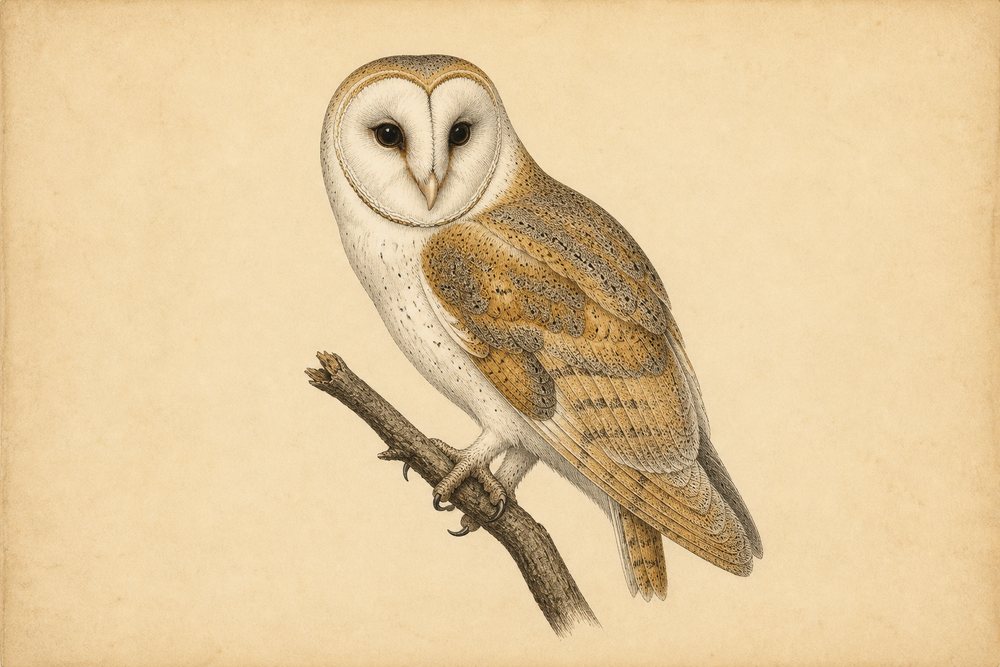
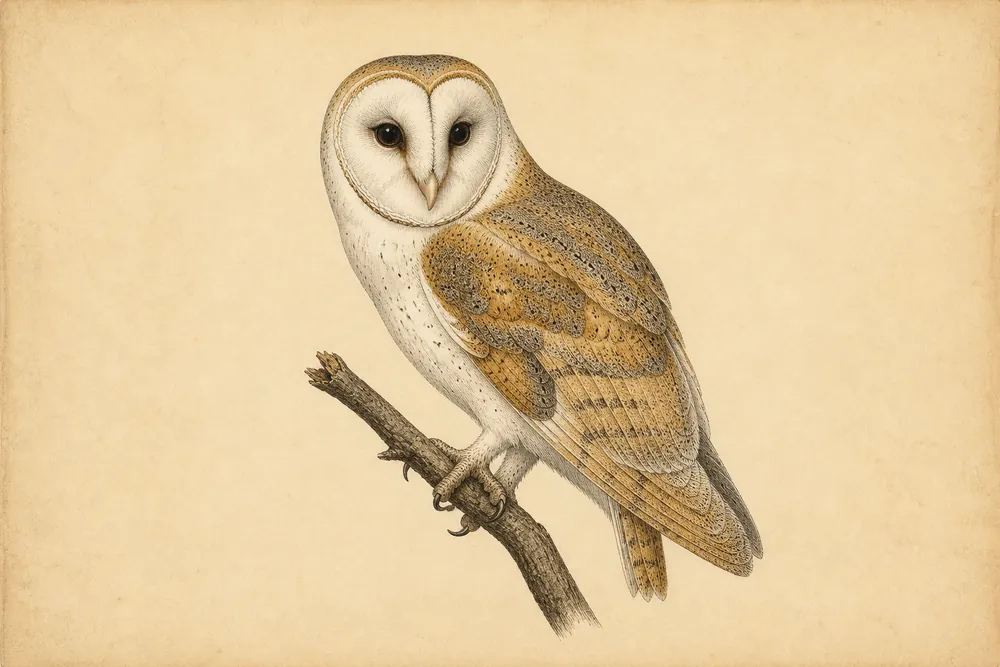
Barn owl
Tyto alba
MusePaper · Owls
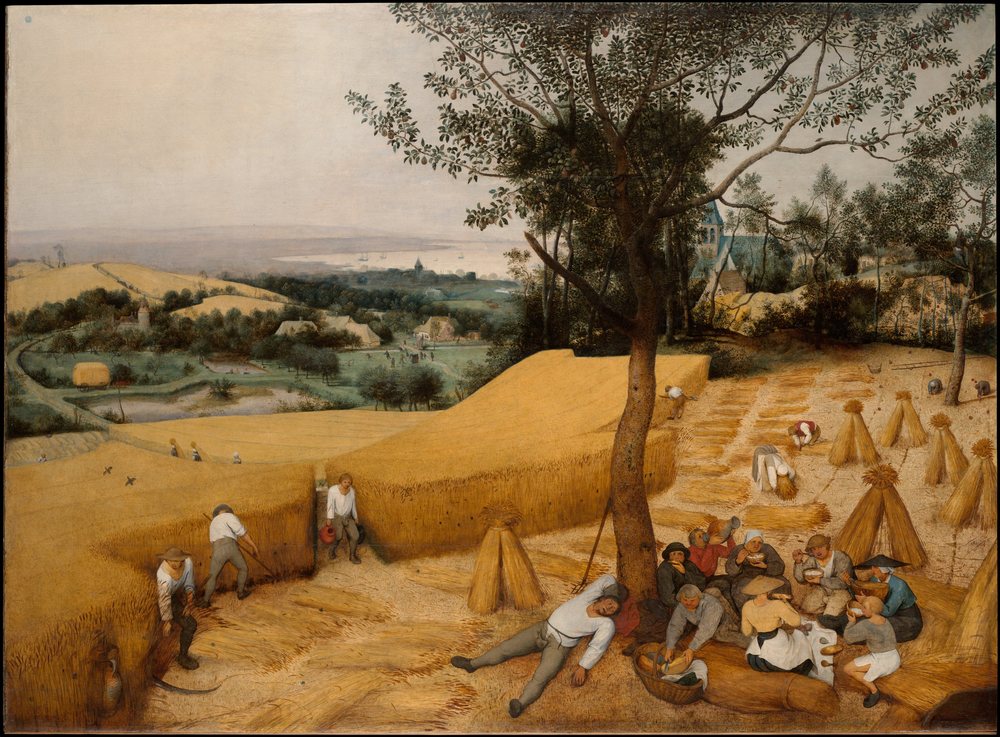
The Harvesters
Pieter Bruegel the Elder · 1565
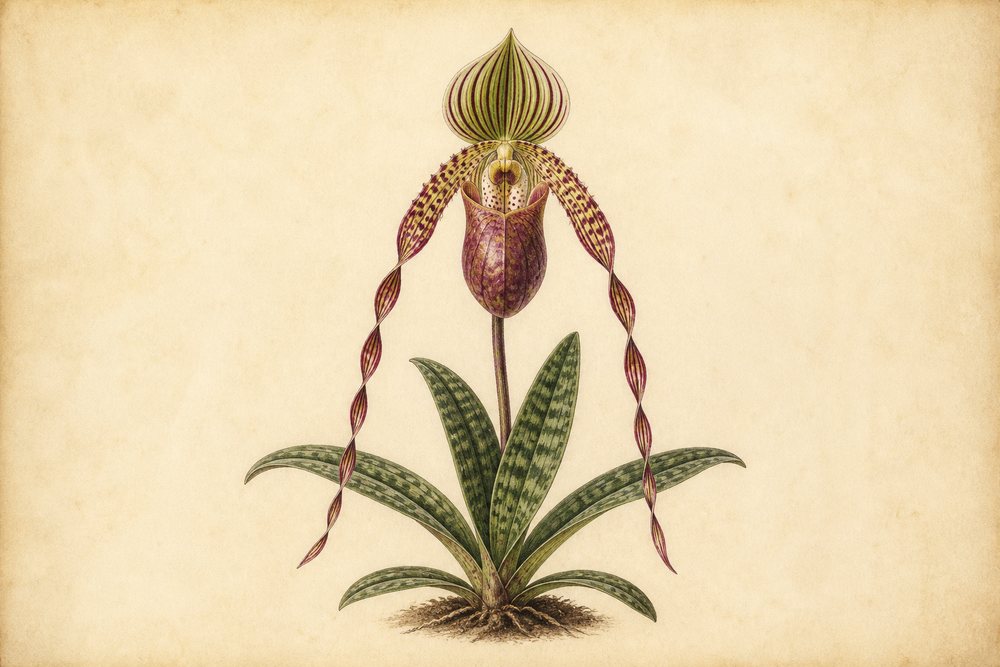
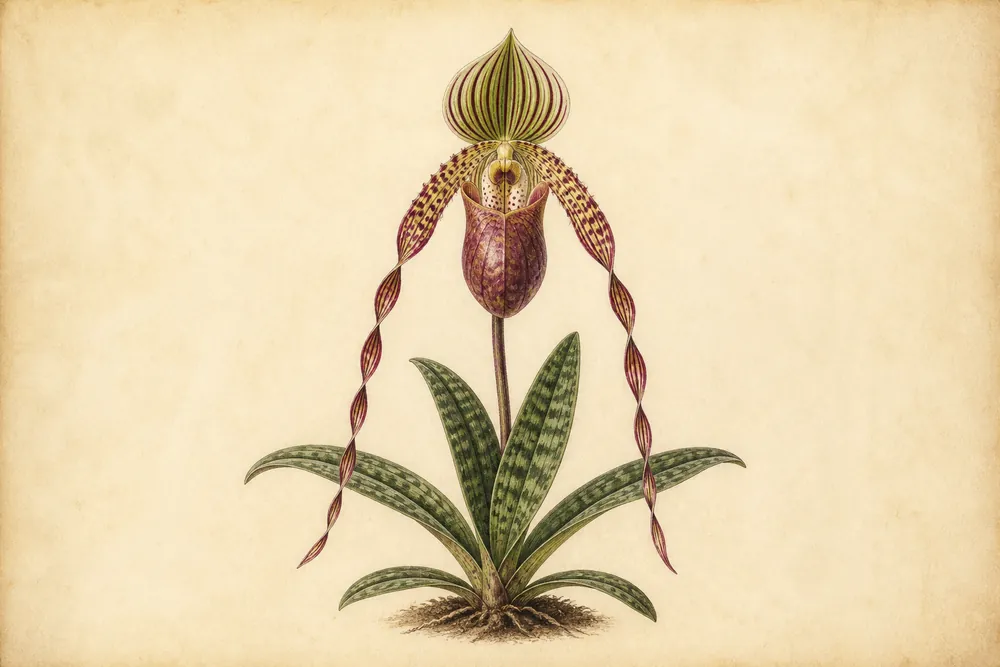
Rothschild's slipper orchid
Paphiopedilum rothschildianum
MusePaper · Orchids
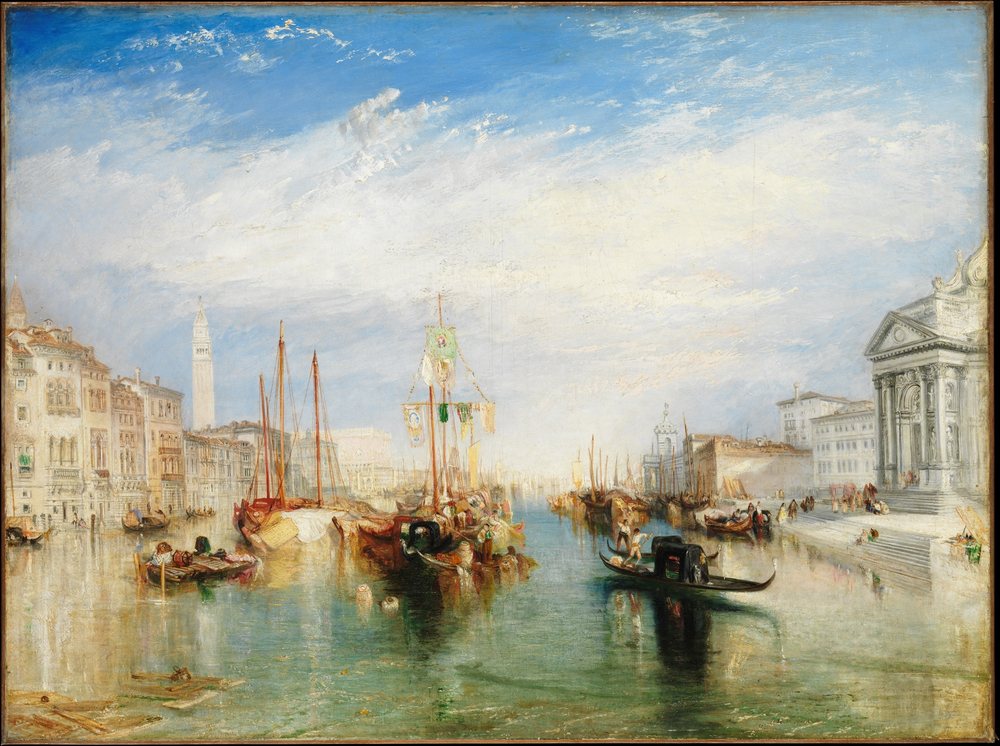
Venice, from the Porch of Madonna della Salute
Joseph Mallord William Turner · ca. 1835
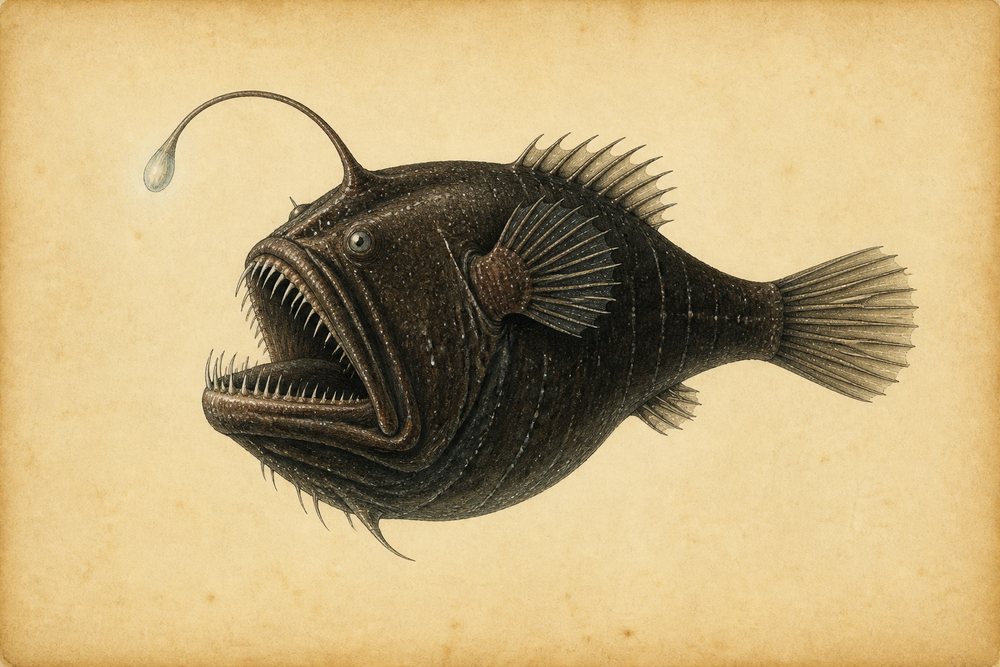
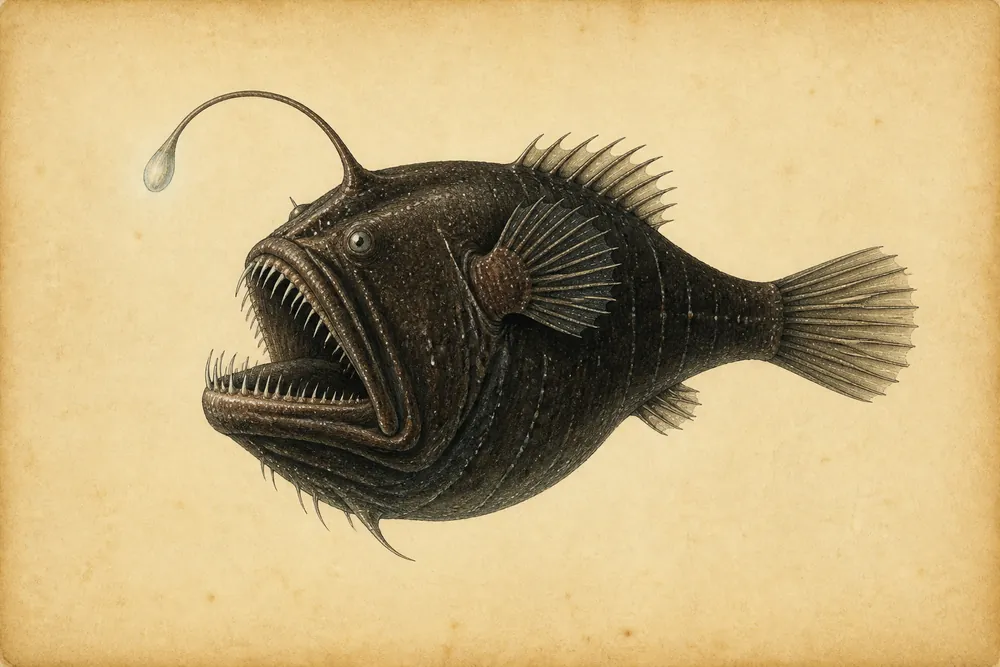
Humpback anglerfish
Melanocetus johnsonii
MusePaper · Deep-Sea Fish
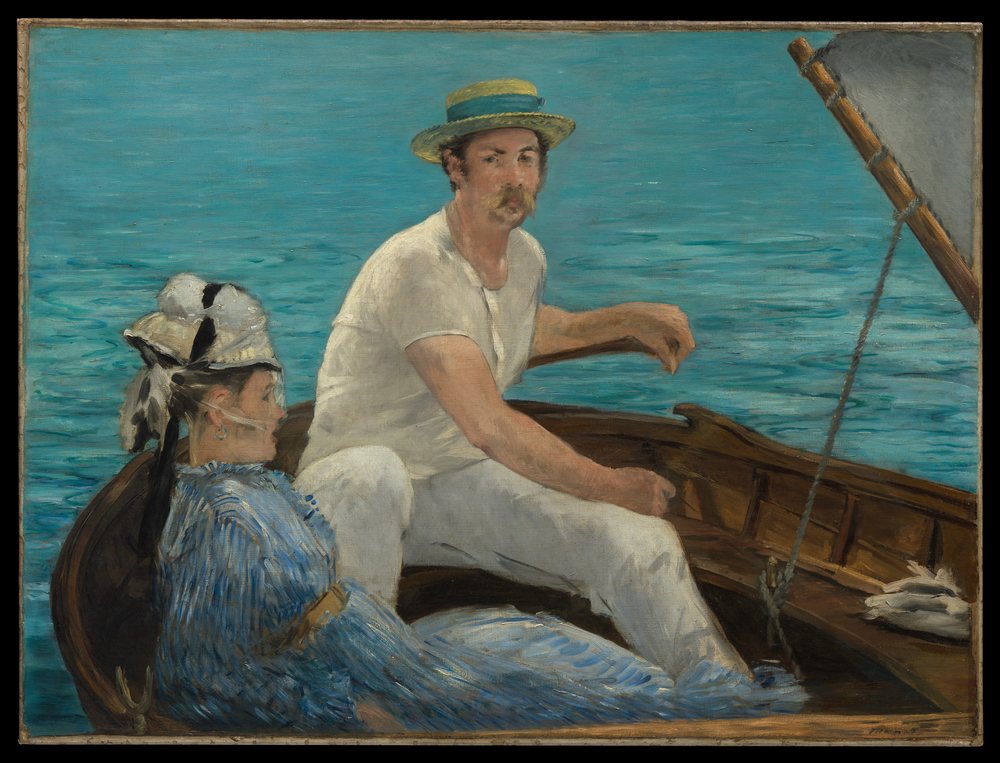
Boating
Edouard Manet · 1874
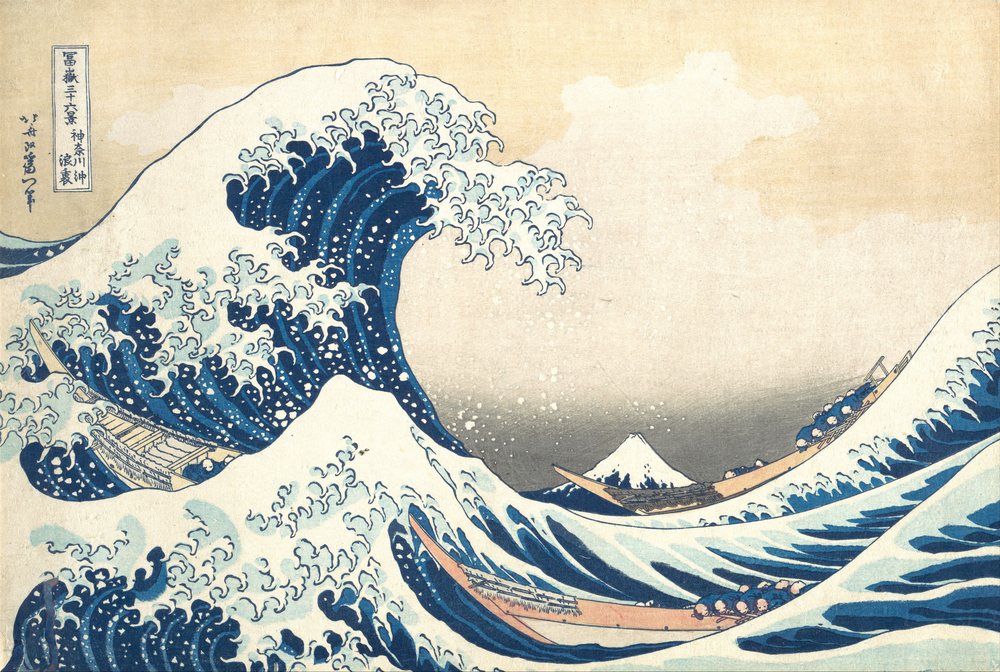
Under the Wave off Kanagawa (Kanagawa oki nami ura), also known as The Great Wave, from the series Thirty-six Views of Mount Fuji (Fugaku sanjūrokkei)
Katsushika Hokusai · ca. 1830–32





How it works
You choose. Your wall surprises you.
Pick what you like
Choose museum works, nature prints or a collection of your own. Start with owls. Follow your eye.
Leave the night to it
Your frame chooses a museum work or has a print drawn overnight. You meet it in the morning.
Set your rhythm
Change the print each morning or let it stay longer. Your frame never glows.
The object
A print by your kitchen window.
Your picture will read by the light in your room. Bright by a window. Quiet at dusk. The e-paper panel uses six pigment inks: black, white, red, yellow, green and blue.
Your print will stay visible with the power off. Changing it takes about forty seconds. You see the picture, with no glass or gloss in front. The table below lists the frame targets.


The current frame target
- Panel target
- 13.3 in · 1600 × 1200 · 150 ppi
- Colour target
- Six pigment inks, no greys
- Time to change
- About 40 seconds
- Power target
- Only while changing · USB-C
- Frame target
- Oak or blackened ash · 22 mm deep
- Hanging
- One nail, portrait or landscape
- Service
- Warranty and parts terms before frames ship
Our promises
Your wall asks nothing of you.
Seven promises come with every frame. You can hold us to every one.
Your wall changes. Your phone stays quiet.
You get no notification when a print changes.
You see only the art.
No badge, logo, clock or weather on your picture.
You stop paying. Your wall keeps going.
Museum works keep your rhythm. No blank picture, watermark or nagging.
You have nothing to scroll.
No feed, no likes, no other people's frames.
Your collection belongs to everyone.
Nobody can buy a subject or make a collection exclusive.
You can forget the app.
We measure success by how little you need to open it.
You are not for sale.
Your photos never train anything. Your taste stays home. We sell frames and art, never you.
Price
Your frame once. Your choice after that.
Museum works stay free. Subscribe for Living World and your own collections. Living World is the same daily print for everyone. Only drawings from your own photos are counted.
The frame$399 when frames ship
The frame
$399 when frames ship
Hold your place with a refundable $50 deposit. You pay the rest when your frame is ready.
Museum mode, free forever
You can show open museum collections on your rhythm. No account or subscription needed.
Most peopleCommission · $7
Most people
Commission · $7
A month, or $70 a year.
Your prints, without counting
You can change prints on your rhythm across every frame you own. Your prints are unlimited.
Museum · Living World · one collection of your own
For the collectorCurator · $19
For the collector
Curator · $19
A month, or $190 a year.
Five collections. Your photos, too.
You can run five collections across up to five frames. You get forty drawings from your photos each month.
Everything in Commission · five collections · your photographs
Want more moths sooner?
Want more moths sooner?
Your collection will grow by about sixty prints a month at no extra cost. You can sponsor a batch: 100 plates for $30, at cost — thirty cents each. They will be drawn within the week and stay in the public register for everyone.
You pay in dollars. That is all.
You pay in dollars. That is all.
You get no auto-refill on by default, no low-balance warnings and no bulk-discount nudge to buy more. No invented currency. Nobody can buy a subject or an exclusive collection. Your count stays in your register, never on your wall.
Questions
Before you make room on your wall.
Does it look like a tablet on the wall?
What happens if I stop paying?
Is the made-for-you work sold as real art?
Are the nature prints accurate?
What happens when the company goes away?
Your frame, even without us.
Your frame, even without us.
You can send your own picture without our servers. The frame accepts a print over the local network with no account, and that path is documented and will not be removed.
Choose your picture
Send a panel-ready PNG. Fit, sharpen and colour-correct your image first, then reduce it to the panel's exact dimensions and six ink colours. Your file uses the same format as MusePaper prints.
Send it from your network
Your frame will run a small web server on your network. With the feed on, send image bytes in a PUT request to the frame's address from a device on that network. The status endpoint tells you whether the feed is on and whether the frame holds a local print.
| Status | Meaning |
|---|---|
| 200 | Your print is now on the wall. |
| 503 | The feed is currently turned off. |
| 400 | The upload was empty. |
| 413 | The file is too large. |
| 422 | The file wasn't a valid, correctly-sized, six-colour image. |
| 500 | Something on the frame's own side went wrong; nothing was shown. |
Turn the feed on
The feed will start on before you pair your frame to a household. Once claimed, it defaults to off. You turn it on or off physically at the frame. Nobody can switch it over the network.
Keep using what you own
You own your frame. Sending a picture must never depend on our servers. This path stays open even if MusePaper goes away.